
Oil traders don’t usually panic over geography.
Until they do.
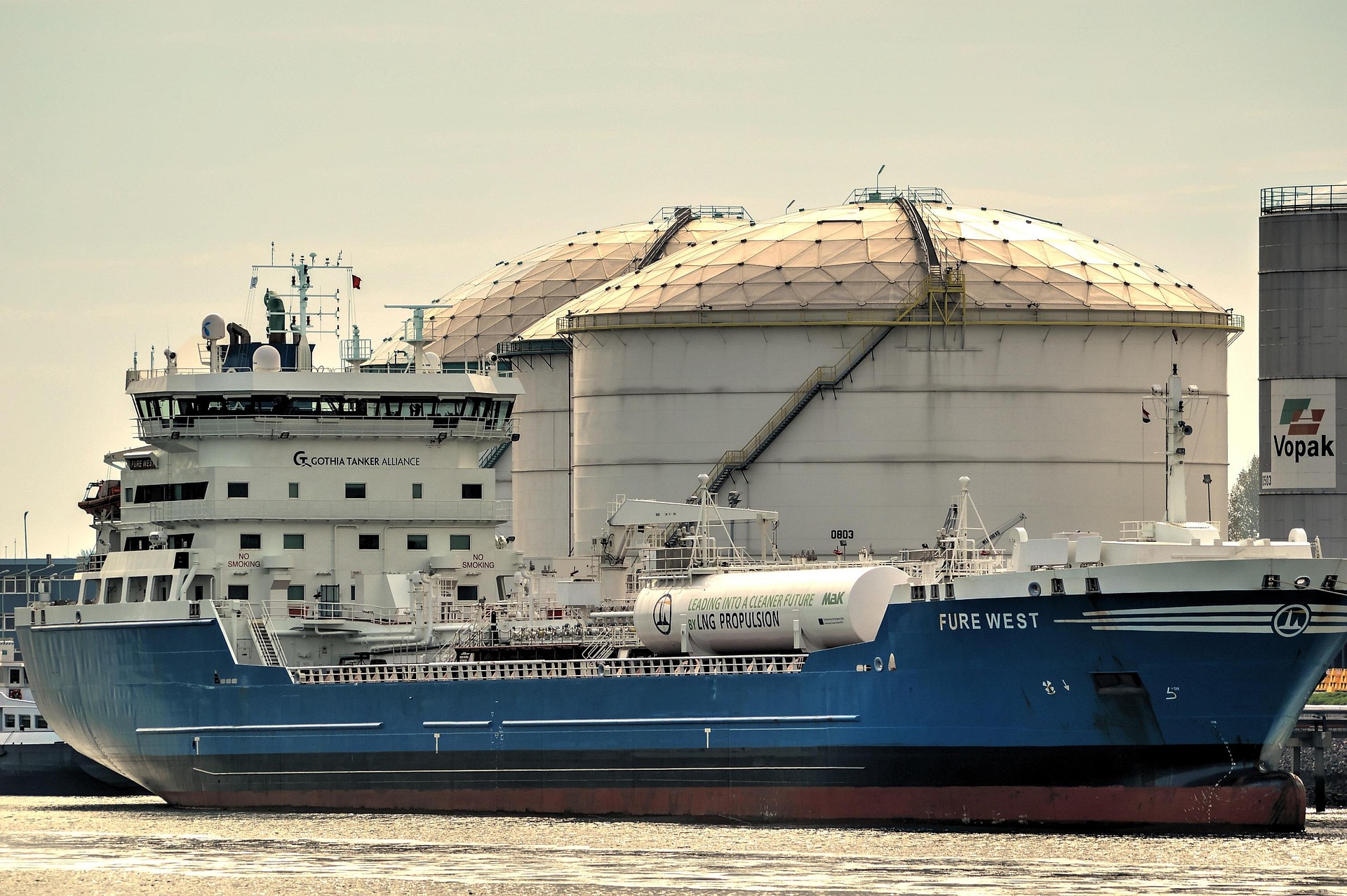
Picture a massive oil tanker inching through a narrow stretch of water in the Persian Gulf. Radar on. Escorts nearby. Headlines buzzing about rising tensions. Suddenly, the world’s financial markets start paying attention to a place most people couldn’t find on a map five minutes earlier.
That place is the Strait of Hormuz, and when trouble brews there, the global economy tends to hold its breath.
A Tiny Waterway With Outsized Power
The Strait of Hormuz isn’t huge. At its narrowest point, it’s about 21 miles wide. That’s not exactly roomy when you’re guiding some of the largest ships on Earth through it.
But size isn’t the story. Volume is.
Every day, enormous oil tankers from Saudi Arabia, Iraq, Kuwait, and the United Arab Emirates move through this passage on their way to global markets. According to data from the U.S. Energy Information Administration, roughly one-fifth of the world’s petroleum liquids consumption flows through this single maritime chokepoint.
Pause for a second and let that sink in. One narrow corridor. A massive share of the planet’s energy supply.
If that flow slows down, even briefly, markets react. Fast.
Oil Prices: The First Domino
Energy markets have a hair trigger. Political tension near the Strait of Hormuz can push oil prices upward before a single tanker actually stops moving.
Why? Fear.
Investors begin pricing in the possibility of supply disruption. Traders worry about blocked shipping lanes. Energy companies brace for delays. Suddenly, oil futures start climbing.
And oil isn’t just a line on a commodities chart. It’s everywhere. Trucks that move groceries. Planes that cross oceans. Factories that power production lines. When oil prices rise, those costs creep into nearly everything else.
Gas prices climb. Shipping gets expensive. Inflation quietly tags along for the ride.
Not exactly the kind of ripple effect anyone orders with their morning coffee.
Shipping Chaos Waiting to Happen
If the Strait of Hormuz became unsafe, or worse, blocked, the shipping industry would scramble.
There are a few pipelines designed to bypass the strait. Helpful, yes. Sufficient? Not really.
Their capacity covers only part of the region’s oil exports. The rest still relies on tankers passing through those narrow waters. That means any disruption could delay millions of barrels per day.
Shipping companies would face higher insurance costs. Routes would get longer. Deliveries would slow down.
Global supply chains, already sensitive after years of pandemic disruptions, would feel the squeeze.
Markets Hate Uncertainty (And They Show It)
Energy shocks rarely stay confined to the oil market. Financial markets tend to react quickly when geopolitical risk threatens supply.
Stocks wobble. Investors move money into safer assets. Volatility spreads.
The World Bank has warned that sharp energy price spikes can drag down economic growth while pushing inflation higher, particularly in energy-importing economies.
For countries that rely heavily on imported oil, a Strait of Hormuz disruption could feel like a sudden tax on their entire economy.
Not ideal.
Why the Strait Still Matters So Much
Renewable energy is expanding. Electric vehicles are gaining ground. The global energy transition is underway.
But here’s the reality check: oil still powers a huge portion of the world economy.
And a large share of that oil travels through the Strait of Hormuz.
That’s why governments monitor the area so closely. Naval patrols operate nearby. Diplomatic tensions flare. International attention never strays far for long.
Because if a crisis escalates there, the consequences won’t stay in the Persian Gulf.
They’ll show up in energy markets. In shipping costs. In stock indexes. And eventually, in everyday prices around the world.
All from one narrow stretch of water most people had never heard of… until suddenly, everyone was watching it.
*This article is for informational purposes only and should not be taken as official legal advice*