
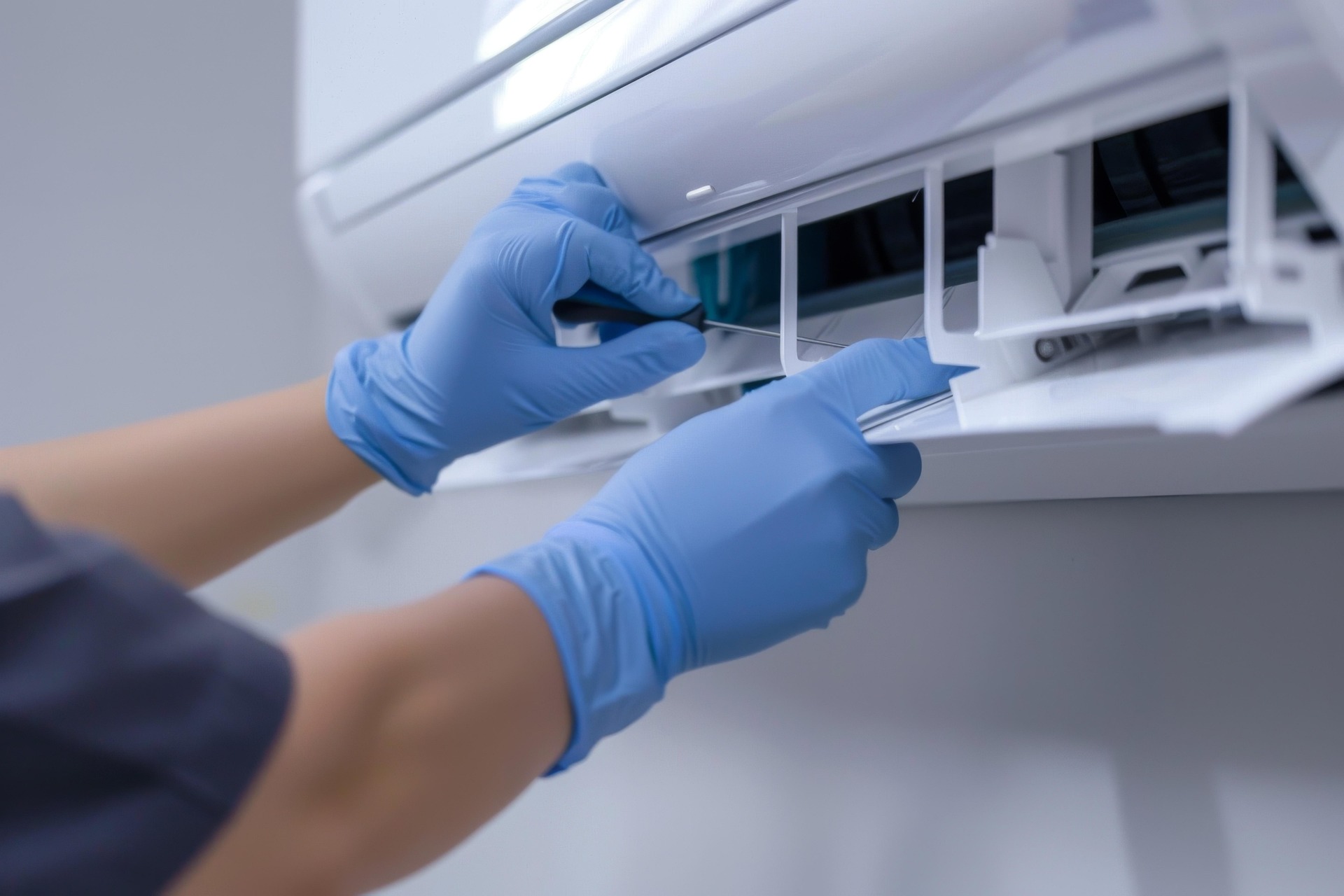
It starts with silence.
Not the peaceful kind. The suspicious kind.
The air conditioner that normally hums in the background suddenly goes quiet. The vents stop blowing. The house slowly warms up, or worse, cools down, depending on the season.
You stare at the thermostat like it might apologize.
Nothing happens.
At this point, most homeowners reach for their phones and search for emergency HVAC service. Because when heating or cooling fails unexpectedly, comfort disappears fast.
Before making that call, though, a few quick checks might help you understand what’s happening, and possibly save you a late-night service visit.
The Thermostat Check (Yes, Really)
It sounds almost too simple. But thermostats cause more HVAC problems than you’d expect.
Maybe the batteries died. Maybe someone changed the settings. Maybe the system mode accidentally switched from “cool” to “fan.”
Take a moment to confirm the thermostat is set correctly. Adjust the temperature a few degrees and listen for the system to start.
Sometimes the fix takes about ten seconds.
Other times… not so much.
If nothing changes, the issue might be deeper, meaning emergency HVAC service could be the next step.
A Quick Look at the Circuit Breaker
HVAC systems pull a lot of electrical power. Because of that, circuit breakers occasionally trip to prevent overload.
If your system suddenly shuts down, head to the electrical panel and check whether the breaker connected to the HVAC unit has switched off.
Resetting it may restore power immediately.
But here’s the catch: if the breaker trips again right away, something bigger is likely going on. Electrical faults or overloaded components are not DIY territory. That’s when calling emergency HVAC service becomes the smart move.
The Surprisingly Important Air Filter
Air filters don’t seem dramatic. They’re quiet. Easy to forget.
But when they clog with dust and debris, airflow drops dramatically. Systems can overheat or shut down entirely as a protective measure.
Before assuming the worst, pull out the filter and take a look. If it’s packed with dust, replacing it might restore normal operation.
The U.S. Department of Energy notes that clean filters help HVAC systems run more efficiently and reduce strain on equipment.
Not bad for a small piece of cardboard and fabric.
Step Outside: Check the Outdoor Unit
For air conditioning systems, the outdoor condenser unit does the heavy lifting.
If leaves, dirt, or debris block the unit, airflow can drop, and performance follows. Walk outside and make sure nothing is obstructing the system.
Clear away debris and check that the unit has room to breathe.
If the system still refuses to cooperate, it’s probably time to call emergency HVAC service and let a professional investigate.
Warning Signs You Shouldn’t Ignore
Sometimes the problem isn’t subtle.
If you notice burning smells, loud banging noises, refrigerant leaks, or ice forming on the unit, stop troubleshooting and contact emergency HVAC service immediately.
These symptoms often indicate serious mechanical or electrical issues.
According to the Environmental Protection Agency, properly functioning HVAC systems support indoor air quality and energy efficiency. When systems malfunction, professional repairs help restore both safety and comfort.
When Fast Action Matters
Heating and cooling systems rarely break at convenient times. It’s always during extreme weather, when the system is working hardest.
That’s why knowing when to call emergency HVAC service is important for homeowners.
A quick response can prevent further damage, restore comfort faster, and ensure the system returns to safe operation.
And if the house suddenly goes quiet again?
At least you’ll know exactly what to do next.
*This article is for informational purposes only and should not be taken as official legal advice*